
The rub on tariffs was they were a dumb policy with concentrated benefits but widely dispersed negatives. Protecting U.S. factories had emotional appeal even if economists insisted that tariffs made the country poorer.
Donald Trump bought protectionism and, even more, intuited its political potential. Fencing out foreign goods made great copy (never mind the higher prices and sure retaliation against U.S.-made products). In 2016, candidate Hillary Clinton was sufficiently spooked to renounce the Trans-Pacific Partnership that, as Secretary of State, she had helped to design.
Her conversion came too late for voters. In the decade since, “free trade” has disappeared from the lexicon of political hopefuls, of either party.
But Trump has achieved the impossible. He has made tariffs unpopular.
Washington-based Economic Innovation Group, which surveyed 1,500 respondents with varying job- and educational levels, found that 59% of workers oppose tariffs (a year ago, the poll showed no clear consensus).
Worse news yet for the President: blue-collar workers (the tariff’s supposed beneficiaries) swung against him. A year ago, blue-collars supported Trump’s tariffs by 3 percentage points. In the recent poll, blue-collars overwhelmingly opposed his tariffs, 58% to 36%.
Voters blame tariffs for inflation—higher over the past year (3.7%) than in the final year under Joe Biden (2.9%). Exactly how much of the inflation was caused by the tariff is hard to say with precision, but the New York Federal Reserve endorses the perception on the street.
A study by the bank estimates that tariffs raised prices 2% over the past year (the figure was higher through February, when the U.S. Supreme Court invalidated Trump’s emergency powers tariffs).
Trump’s remaining tariffs offset Americans’ wage gains—which, adjusted for inflation, are non-existent in his second term. The tariff’s effect on inflation had three components: a) higher prices on imports; b) higher costs for U.S. manufacturers that rely on foreign parts, such as steel, and c) lessened price competition for domestic producers who compete with imports.
In past election cycles, Trump was protected by his signature tariff Velcro. Like clockwork, political reporters would hasten to the Midwest where farmers punished by retaliatory tariffs would downplay their effects or insist that, whatever, trade policy would not affect their vote.
Something has changed. In Trump’s second term, his tariffs were dizzying—more numerous and more severe. The tariff man’s on-again, off-again incoherence was a turnoff. Americans didn’t buy that Canada is an enemy deserving a 50% tariff even as Vladmir Putin’s Russians get a break on sanctions.
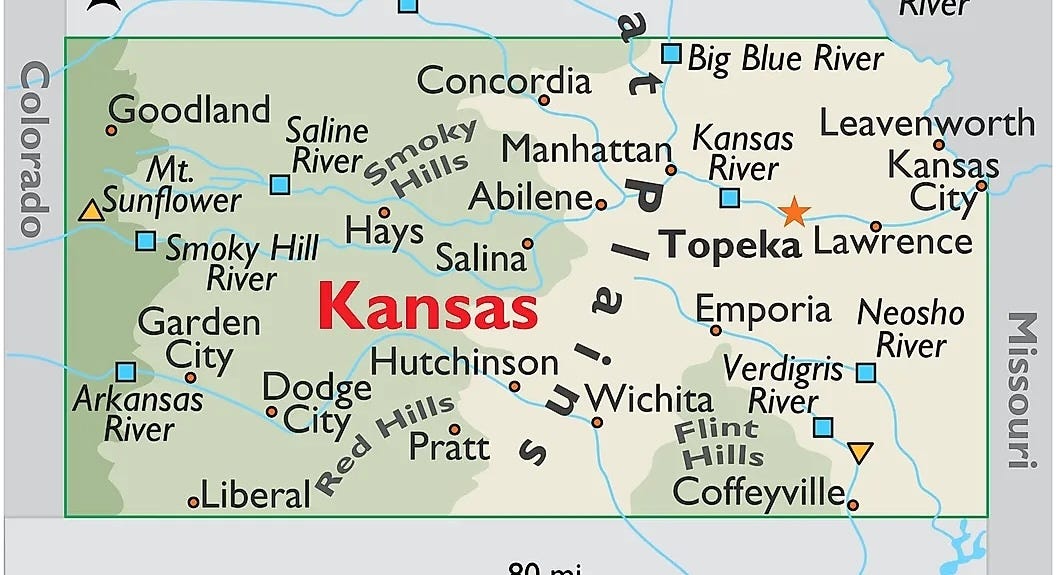
In Kansas, the Republicans fear losing a Senate seat for the first time since 1932. A big issue then was … the tariff. In 1930, a Republican-led Congress enacted Smoot-Hawley, the most draconian tariff since the Civil War era. (One thousand economists had signed a petition against the bill.) American trading partners immediately enacted retaliatory tariffs against the U.S. Months later, an anti-tariff Kansas Democrat, George McGill, won a special election to the Senate.
Economists today believe that Smoot-Hawley worsened the Great Depression. In 1932, amid lengthening bread lines and shuttering banks, the tariff party doubled down. Its platform stated with apparent pride: “The Republican Party has always been the staunch supporter of the American system of a protective tariff.”
In his “forgotten man” radio address that April, Governor Franklin D. President, a contender for the White House, pointed out that American factories depended on foreign customers to absorb their surplus. FDR called for a revision of the tariff (not quite ‘free trade’). In November he carried 42 states. Democrats won the Senate and widened their lead in the House. The tariff authors, Sen. Reed Smoot and Rep. Willis C. Hawley, were voted out. In Kansas, McGill was elected to a full term.
Voters now focus on inflation but the effects on economic growth are worse. Tariffs are a tax that gum up the channels of production. Just as a community would be immeasurably poorer if it couldn’t trade with its neighbors, over time, isolated nations suffer a similar impoverishment.
Trade restrictions have a negative effect on peace as well as prosperity. The great lesson of the 1930s was that trade barriers foster mutual suspicion followed by military realignment (tariff wars lead to shooting wars). Nations are disincentivized to attack their customers.
In 1947, the U.S. signed the General Agreement on Tariffs and Trade, ushering in decades of relative peace and steadily freer trade. Trump’s tariff policy halted seven decades of economic interdependence. An outgrowth of recent economic antagonism on the world stage is a savage war in Europe.
The harm from tariffs is often hard to spot in the short term, but Trump’s accelerated retreat from trade has made the textbook vivid. His slogan notwithstanding, there is no past to return to—“again” does not exist. His policy yields only inflation, zero real wage growth, depressed output and international hostility. As Trump would say, it’s a loser.
Governor Franklin D President?
Thank you for an excellent article, Roger!